A Weekly Planning System for Solo Creators
Why a weekly planning system suits solo creators
A week is the right unit for real progress. A day is too narrow. A month drifts. A weekly rhythm gives you room to ship, sell, and learn without burning out.
Weeks move the needle because they force trade‑offs you can keep.
Think in outcomes, not hours. Scope work to what one person can finish in five focused days. Keep it simple. Keep it visible. Then repeat.
Convert projects into weekly outcomes and checkpoints
Turn each active project into one clear outcome for the week. Add a single midweek checkpoint. If that checkpoint slips, cut scope, not sleep.
Examples for common creator roles
Freelance designer: Deliver homepage wireframes; checkpoint by Wednesday noon with two options ready.
Coach: Record two client case studies; checkpoint after the first script on Tuesday.
Indie developer: Ship onboarding step two; checkpoint when the success state works for one path.
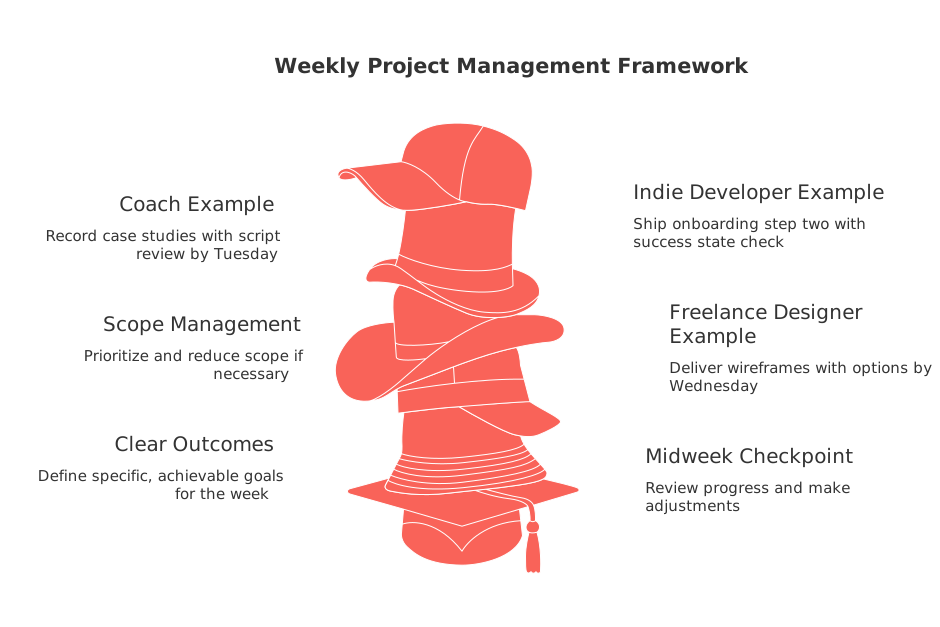
Create a clear definition of “done.” Favor tangible outputs, draft, invoice, video, landing page, dataset, instead of vague verbs that imply ongoing effort like “progress” or “research.”
Set theme days that reflect your business model
Theme days cut context switching. Group similar work on the same day to protect momentum.
Sample map for a solo creator who sells services and content:
Marketing day: Publish and repurpose content. Handle distribution and replies.
Client delivery days: Produce assets, ship drafts, and request approvals.
Sales day: Update pipeline, run discovery calls, and send proposals.
Operations day: Do taxes, contracts, and small improvements that remove friction.
Keep at least one floating slot. Use it when a launch or client spike appears.
Build a simple content pipeline for consistent publishing
Content grows your pipeline and authority. Keep the weekly system light. Move pieces through the same path every time: ideas → outline → draft → edit → publish → repurpose.
Limit work in progress
Cap drafts at three. New ideas wait in a parking lot.
Repurpose each publish twice in the same week.
Track only status and deadline. Skip vanity fields.
Tie every post to a business goal, newsletter signups, product trial, client inquiry, so output stays focused, not noisy.
Protect deep work with clear rules and time fences
Clear work guidelines are more reliable than willpower alone. Write yours and keep them short.
Ship one outcome before checking feeds.
Work in quiet blocks. Batch messages after blocks.
Choose one daily highlight. Finish it first.
If interruptions are constant, create a triage window. Handle all small items there so your main blocks stay clean.
Keep CRM outreach steady with lightweight cadences
Pipeline anxiety fades with a simple weekly cadence. Touch warm leads, follow up once, then nurture. Keep messages short and specific.
A simple 3‑touch follow‑up
Touch 1: Value share tied to their goal.
Touch 2: Objection answer with a one‑line case proof.
Touch 3: Clear close with a yes/no path.
Example: A brand strategist messages ten leads each week, schedules five 15‑minute calls, and sends three proposals by Friday.
Draft three concise follow‑up messages for a solo web designer. Lead context: e‑commerce store wants faster checkout. Tone: warm and direct. Goal: schedule a 15‑minute call this week. Include a clear yes / no ask and one proof point per message.
Run a quick weekly review that drives next week
Keep the review under 30 minutes. Look at facts, not feelings.
Ship list: What shipped and what slipped.
Numbers: Leads, revenue, audience, and cycle time.
Blockers: One root cause you can remove next week.
End with three outcomes for the next week. Tie each to a quarter goal so your effort compounds.
Produce a solo‑creator weekly review. Inputs: shipped items, leads won / lost, audience change, and one blocker. Output: top 3 outcomes for next week with a brief scope and a midweek checkpoint for each. Keep it to bullet points.
Choose visuals that make your plan obvious at a glance
Use a visual you can read in ten seconds. A small board with columns like Next, Doing, Blocked, Done works well. For more structure, explore simple charts and boards that fit solo work. This guide to lightweight visualization tools for simple project management shows options that stay lean.
Use 12‑week sprints to align week and quarter
Weeks flow better when tied to a 12‑week sprint. Pick three goals for the sprint. Each week feeds those goals with one outcome each. Learn how to set that rhythm in the 12‑Week Year approach for solo operators.
A realistic weekly plan example for a solo creator
Scenario: You run a YouTube channel and offer editing services.
Marketing day: Publish one video, clip two shorts, and answer ten comments.
Client delivery days: Edit two client videos and send one final file.
Sales day: Book five discovery calls and send two offers.
Operations day: Reconcile payouts and improve your intake form.
Capacity math: Three deep‑work blocks per day at 90 minutes each equals 22.5 hours of deep work across the week. Fit outcomes to that number, not the other way around.
Tools and workflows that fit a weekly system for solo creators
Pick one place to track projects, content, and outreach. Keep it connected. Many creators use an all‑in‑one workspace or a light project tracker. Tools like Routine, Notion, Trello, or ClickUp can all work. Choose the one you will actually update.
If you prefer templates to start fast, review core project planning templates such as charters and roadmaps. Adapt only the pieces you need this week. Ship, learn, and refine next week again.
FAQ
Why is a weekly planning system more effective for solo creators than daily or monthly planning?
A weekly planning system offers a balanced timeframe, allowing solo creators to make meaningful progress without burning out. Unlike daily planning, which is too narrow, and monthly planning, which lacks urgency, a weekly plan helps you prioritize tangible outcomes over endless activities.
How can solo creators set effective weekly outcomes?
Effective weekly outcomes are specific and achievable within five focused days. Convert larger projects into single-outcome weeks with clear checkpoints. Favor visible, quantifiable results like drafts or completed tasks, avoiding vague concepts like \"progress.\"
What are theme days and how do they aid productivity?
Theme days reduce context switching by grouping similar tasks, maintaining momentum. By assigning specific days to tasks like marketing or client delivery, solo creators can minimize distractions and sharply focus on high-impact activities.
What role does a content pipeline play for solo creators?
A content pipeline ensures consistent output and maximizes resource efficiency. By following a systematic flow from ideation to repurposing, solo creators maintain a steady stream of content that aligns with business goals instead of producing noise.
How do clear work guidelines protect deep work?
Clear work guidelines are crucial as they eliminate reliance on fluctuating willpower, providing robust structural support. By defining simple rules, like completing priorities before distractions, solo creators protect their productivity from constant interruptions.
Why is it important for solo creators to use tools like Routine?
Routine and similar tools centralize project tracking and improve workflow visibility, crucial for solo creators who juggle various roles. Choosing a tool that suits your natural update rhythm can prevent overlooked tasks and ensure sustained progress.
What happens if you overlook the weekly review process?
Neglecting the weekly review hampers growth and fosters repeated mistakes. Without regular evaluations, solo creators miss opportunities to identify blockers, adjust strategies, and align weekly efforts with overarching quarterly goals.
How does the 12-week sprint benefit solo creators?
The 12-week sprint introduces a strategic time frame that converts long-term goals into achievable weekly outcomes. This method accelerates progress through focused bursts, preventing drift and ensuring each week's efforts contribute toward larger objectives.

Julien Quintard
Founder & CEO at Routine07/09/2026
