The 12-Week Year: Why Quarters Beat Annual Goals for Solo Operators
Quarterly focus beats annual thinking for solo operators
Longer timelines can lead to procrastination. A 12‑week deadline, however, demands action and the delivery of results. You commit, you act, you ship. Annual goals often sprawl without pressure. A 12‑week year creates urgency without burnout.
Work expands to the time available. Shrink the time, reduce the sprawl.
With fewer moving parts, you avoid juggling ten priorities. You pick one outcome that matters now. Everything else waits.
What the 12-week year means for a one-person business
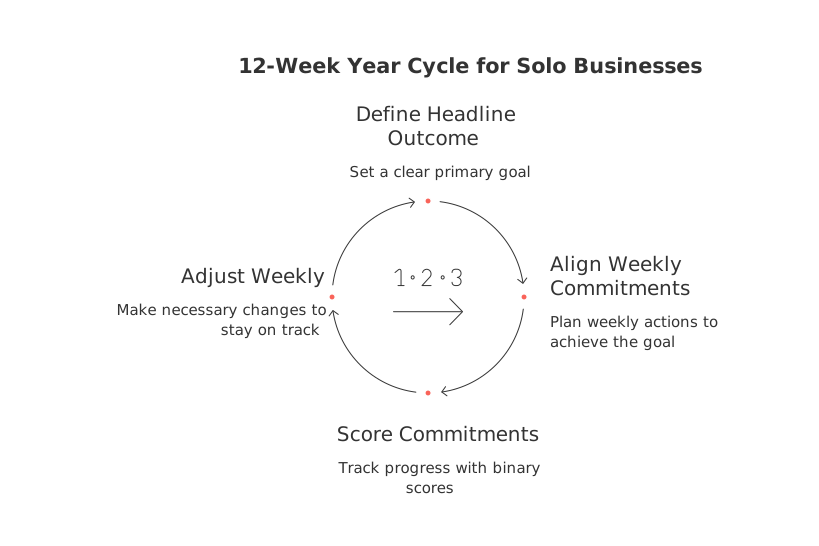
The 12‑week year treats every quarter as a complete cycle. You set one primary outcome. You align weekly commitments to that outcome. You measure progress at the end of each week.
Define one headline outcome, like revenue or subscriber growth.
Choose three to five weekly commitments that drive the outcome.
Score each commitment as done or not done. No shades of gray.
Adjust weekly. You do not wait for month‑end surprises.
Design a 12-week goal that fits a solo operator’s workflow
Keep the scope tight. Make the finish line clear. Avoid dependencies you cannot control.
Choose a single headline outcome
Examples: paid clients signed, workshop seats sold, MRR added, email list growth, successful product launch.
Set simple guardrails
Time: cap weekly hours for the project.
Money: define a spend limit you will not cross.
Quality: write a short “done” statement in one sentence.
Build weekly commitments and a simple scorecard for accountability
Commitments are specific actions you repeat each week. They should directly move the outcome.
Publishing: two authority posts per week on one channel.
Outreach: ten warm emails to qualified prospects every Tuesday.
Product: one shippable improvement each Thursday.
CRM: log outcomes the same day you talk to someone.
At week’s end, score each item with a yes or no. Track your weekly completion rate as a percentage. Aim for 85% or higher.
Turn projects into 12-week sprints with clear stages
Solo work still follows stages. Define them before you start. Keep the handoffs light.
Initiate: confirm the problem and audience fit.
Plan: outline tasks, owners, and deadlines you control.
Execute: ship weekly increments customers can touch.
Monitor: review metrics and adjust scope fast.
Close: deliver, collect feedback, and archive assets.
This reflects a simplified version of a classic project lifecycle, tailored for solo operators. It helps prevent unexpected complications or delays during the quarter.
Plan marketing and sales work in quarters, not forever
Think in campaigns, not vague efforts. Tie every campaign to your 12‑week goal.
Offer: define one clear promise customers can say yes to.
Channel: pick one primary channel and one backup.
Cadence: schedule consistent touchpoints you can keep.
Follow‑up: track every lead in your CRM the same day.
Creators can sell a cohort program. Consultants can package a fixed‑scope engagement. Developers can launch a micro‑SaaS trial. Each path fits into 12 weeks.
Use simple visuals to see progress every week
You do not need heavy dashboards. A clean tracker beats a complex report you ignore.
Kanban for flow across idea, doing, and done.
Burndown to show tasks remaining by week.
Milestone timeline to flag risks early.
If you want structure without bloat, scan these lightweight visualization tools for simple project management. They help you pick the right view for a small workload.
Create reusable templates that speed up every 12-week cycle
Templates save thinking time. They also reduce errors when you feel rushed.
Project brief with audience, outcome, and constraints.
Weekly commitment checklist with scoring.
Launch plan with milestones and risk notes.
CRM pipeline stages with tight definitions.
Start with these practical project planning templates you can reuse, then tailor them to your solo workflow.
Pick an all-in-one workspace that connects projects, CRM, and knowledge
Centralize the essentials. Keep tasks, client records, and project docs linked. You cut friction and context switching.
Tools like Routine or Notion can tie tasks to deals and assets. ClickUp and Asana offer strong task views for solo work. Choose one workspace and commit for the whole quarter. Switching tools mid‑cycle derails momentum.
What to connect before week one
One board per 12‑week goal with milestones.
CRM stages that match your sales motion.
A repository for deliverables clients will access.
A sample 12-week plan for a solo operator
Scenario: a designer sells a premium website revamp package.
Weeks 1–2: refine offer, publish two authority posts, start outreach.
Weeks 3–4: run five discovery calls, sign two clients, finalize assets.
Weeks 5–8: deliver two projects in weekly increments, collect testimonials.
Weeks 9–10: optimize outreach based on conversion data.
Weeks 11–12: ship final case study, conduct a full review, queue next cycle.
Headline goal: book $12,000 in new sales. Weekly commitments: two posts, ten warm emails, two ship‑ready deliverables.
Common mistakes when applying the 12-week year alone
Too many goals. Pick one headline result, not three.
Vague commitments. Write actions you can count.
Skipping reviews. Adjust weekly, not at week twelve.
Tool hopping. Keep one workspace for the quarter.
Ignoring lead measures. Focus on inputs you control.
How to review your quarter and roll into the next
Close the loop fast. Turn insight into action within 48 hours.
Score the final week and the whole quarter.
Attribute wins to specific commitments, not luck.
Document two things to stop, start, and continue.
Archive assets. Label what you will reuse next cycle.
Draft the next 12‑week goal while energy is high.
For a deeper process view, study the five classic phases of a project. Understanding them keeps your next cycle lean and predictable.
FAQ
How does a 12-week year help prevent procrastination?
A 12-week year imposes shorter deadlines, creating a sense of urgency that combats procrastination. Unlike annual goals, which can lead to complacency, the compressed timeline forces regular actions and deliveries.
Why is selecting a single headline outcome essential?
Focusing on one primary outcome prevents dilution of effort and ensures you give your best to what's most important. Multitasking across objectives often results in mediocre results for all.
What are the downsides of skipping weekly reviews?
Neglecting weekly reviews means missing critical course corrections that could prevent long-term deviations. Familiar tools like Routine can help maintain structured evaluations, ensuring adaptive strategies.
How can visualization tools enhance project management for solo operators?
Lightweight visualization tools provide clarity and streamline workflows, highlighting bottlenecks without overwhelming you with data. They transform complex progress reporting into actionable insights, preventing decision fatigue.
What risks are associated with tool hopping during a cycle?
Switching tools mid-cycle disrupts continuity and wastes valuable time, damaging momentum. Committing to a comprehensive tool like Routine for the entire quarter minimizes friction and keeps focus intact.
Why should solo operators cap the time and money spent on their projects?
Setting strict limits on time and money prevents scope creep, ensuring projects remain manageable and sustainable. This discipline guards against overinvestment in areas that might not yield proportional returns.
How do you turn insights from a completed 12-week cycle into actionable plans?
Quickly evaluating the previous cycle’s outcomes and attributing them to specific actions, not luck, refines strategy. Carry forward what's effective and eliminate what hinders progression to maintain momentum.

Julien Quintard
Founder & CEO at Routine06/15/2026
