The Daily Shutdown Ritual: How to Actually Close the Workday
Why a daily shutdown ritual matters for both work and life
The workday rarely ends when the laptop lid closes. Loose threads linger. Your brain keeps chewing on unfinished tasks. A simple shutdown ritual helps clear lingering work thoughts, enabling greater focus and relaxation when at home.
Intentionally conclude your workday, rather than letting it drift to a close. You protect sleep, reduce rework, and start tomorrow fast. For freelancers and executives alike, this ritual draws a clean line between roles.
Think of it as gently closing a door, signaling an end but also a fresh start for the next day.
A daily shutdown checklist you can finish in 10 minutes
Use this quick, ten‑minute ritual in your workflow, set a timer, and treat it as an integral, non‑negotiable part of your routine.
Sweep commitments: list every open loop from chats, docs, and tasks.
Decide once: do it, delegate it, or date it for review tomorrow.
Tidy your digital desk: close extra tabs and file stray downloads.
Set your “first three” for tomorrow in your task system.
Record one win and one lesson in a single line.
Perform a boundary move: log out, silence alerts, and step away.
Keep the language simple. Say out loud: Shutdown complete. I did enough today.
How to close the workday in project management without creating tomorrow’s chaos
Project work often unravels at day’s end. Capture the state before context fades. Make the next step unmissable for you or a teammate.
For individuals maintaining their own task management boards
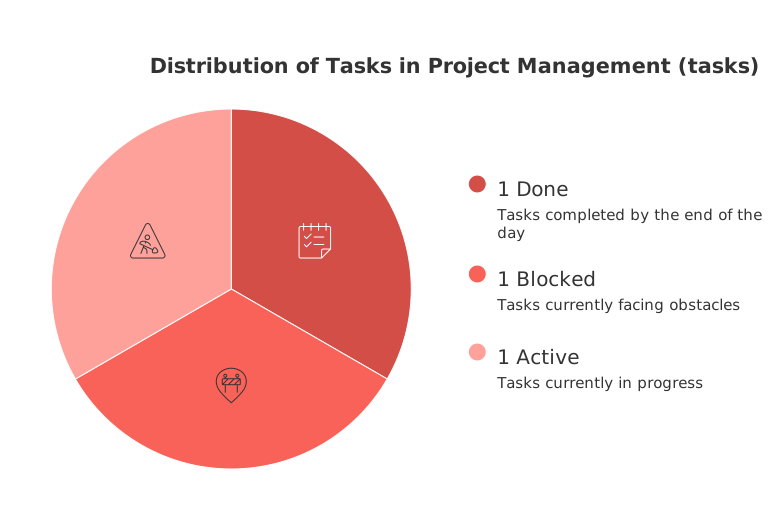
Move each task to the true column: done, blocked, or active.
Add the next visible action in plain words.
Merge duplicates so tomorrow’s view is clean.
For teams working in sprints or kanban
Flag new blockers with owner names, not vague notes.
Post a two‑sentence handoff in the task itself.
Park stretch items in a clear parking area, not the main board.
If tool sprawl slows this step, review a comparison of all‑in‑one workspaces and dedicated project tools to simplify where this ritual lives.
The CRM hygiene routine that ends your day and protects revenue
Days in sales can seem endless when updates are postponed until the end of the week. By updating promptly, you can ensure that you are well‑prepared for tomorrow’s calls.
Log outcomes for each meeting or call in the deal record.
Write a single, concrete next step for every active deal.
Stage‑shift deals that truly moved. Leave no “maybe” zones.
Capture new contacts while the details are fresh.
Automate the drudge work where possible. You can set up end‑of‑day sales automations that tag calls, draft follow‑ups, or nudge stale deals.
End‑of‑day boundaries that actually stick for remote and office workers
Rituals beat willpower. Attach your shutdown to a cue you already follow. Close the last tab, turn off your desk lamp, then say your line.
Shutdown complete. I know my first three for tomorrow. Work continues at 9 a.m.
If late pings keep coming, set team expectations. Executives should model predictable hours. Freelancers can publish response windows in proposals.
Metrics that prove your shutdown ritual works within two weeks
Morning ramp‑up time drops to under ten minutes.
Fewer tasks roll over more than once.
Evening screen time decreases on weekdays.
Weekly review reveals clearer wins and lessons.
Team handoffs require fewer clarifying messages.
Troubleshooting common shutdown blockers and practical fixes
Some days fight back. Use these quick answers.
An urgent ping arrives late: handle it, then run a two‑minute mini‑shutdown.
The checklist feels long: trim to the “first three” and one win.
You feel guilty leaving: write a handoff line and log out. Guilt fades with practice.
Remote life blurs edges: change locations for the last five minutes.
Culture expects instant replies: agree on service levels and schedule quiet hours.
Tools that support a gentle shutdown ritual without adding noise
Pick tools that make end‑of‑day steps obvious. All‑in‑one workspaces like Routine or Notion centralize tasks and docs. Project platforms such as ClickUp or Asana help clarify ownership and status. CRM systems like HubSpot or Pipedrive keep deal health visible. For automations, Zapier or Make can post handoffs or tag calls at day’s end.
Use fewer tools well. Place your shutdown checklist where you already finish work. Keep the ritual small, clear, and repeatable. Tomorrow will thank you.
FAQ
What is the purpose of a daily shutdown ritual?
A daily shutdown ritual helps you mentally disconnect from work, ensuring a clear boundary between professional and personal time. It minimizes lingering tasks and stress, allowing for better relaxation and rejuvenation.
How can I quickly implement a shutdown routine?
Implement a quick shutdown routine by spending ten minutes listing open tasks, organizing your digital workspace, and setting priorities for the next day. Consistency is key, so treat it as an integral part of your day.
Why is task management important at the end of the workday?
Proper task management prevents confusion and increases productivity for the following day. It ensures clarity on the current state of projects and reduces the risk of missed tasks and rework.
How can Rituals impact remote work effectiveness?
Rituals create structure and help maintain boundaries in remote work settings. They offer predictable routines, reducing burnout and ensuring a clear end to your workday.
What role does Routine play in a shutdown ritual?
Routine centralizes tasks and documents, streamlining the shutdown process by keeping your workflow organized. It supports end-of-day rituals, making task completion and transitions smoother.
Can tools enhance my shutdown ritual?
Yes, tools like Routine and Notion streamline tasks management, making your shutdown process more efficient. Investing in the right tools can prevent clutter, saving time and improving focus.
Why is it important to set boundaries with colleagues?
Setting boundaries helps manage expectations and protect personal time from work intrusions. It encourages healthier work dynamics and is crucial in maintaining work-life balance, especially in demanding work environments.
How can I measure the effectiveness of my shutdown ritual?
Monitor metrics like reduced morning ramp-up time and fewer task rollovers to assess your ritual's success. Clear boundaries often lead to better rest and sustained focus during work hours.
What steps can ensure a consistent shutdown ritual?
Consistency requires tying your shutdown ritual to an existing habit. Use a set cue, like closing the last browser tab, to develop a routine that feels natural and automatic.

Julien Quintard
Founder & CEO at Routine06/17/2026
